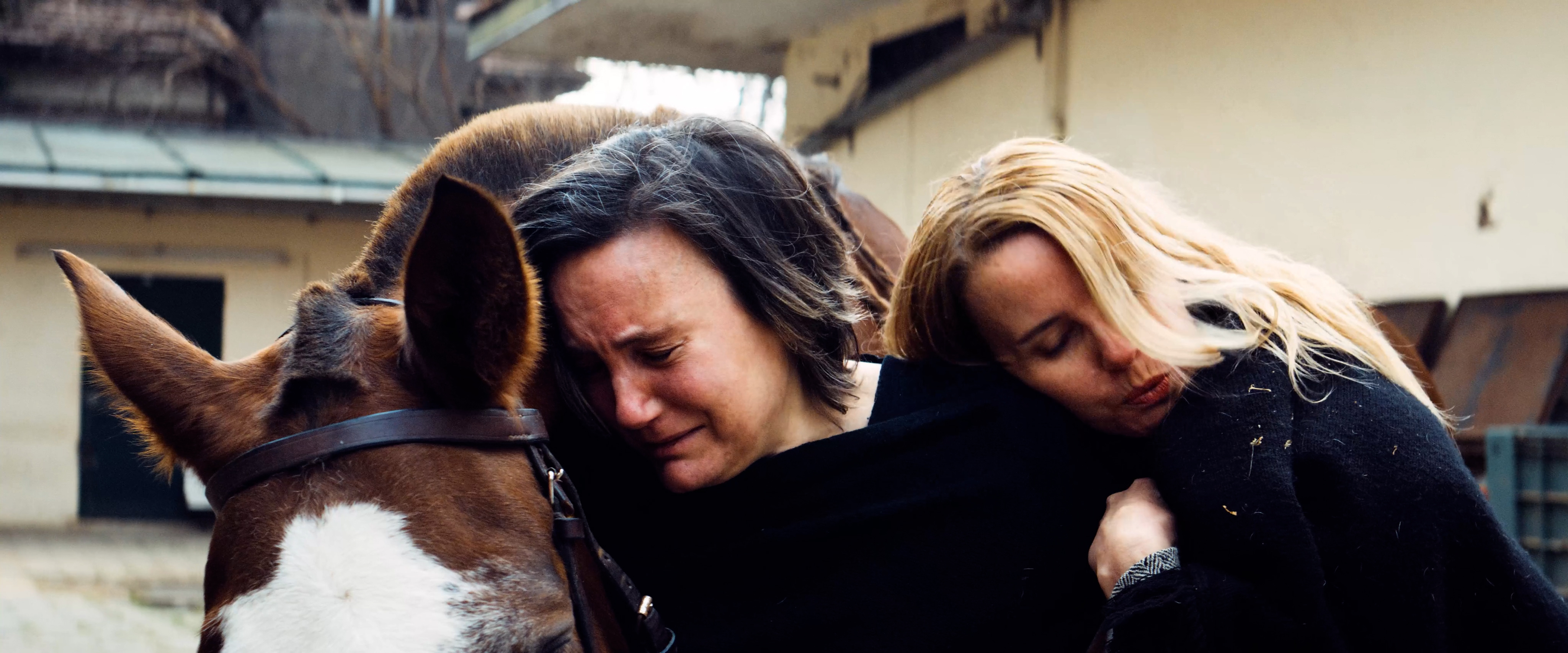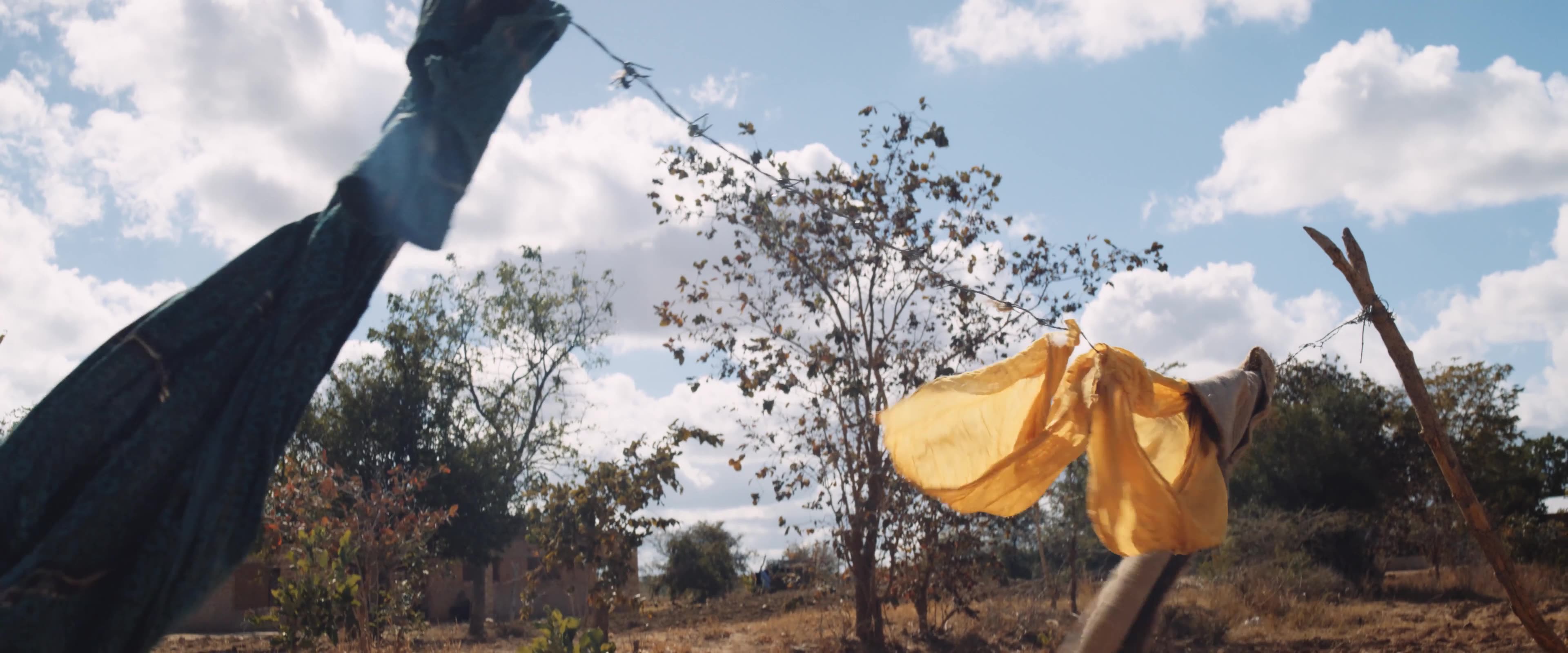
A global development program becomes believable when two films share the work: an anthem that carries the scale, and an observational portrait of one family that carries the truth. That is how we approached the World Bank's Partnership for Economic Inclusion, through the PEI Anthem and a portrait of a mother named Fitness and her daughter Venus in Zambia.
Development institutions have a scale problem that is also a storytelling problem. The work is real and large, but it reaches the public as numbers, acronyms and program architecture. The more countries a program spans, the harder it becomes for anyone outside it to picture a single person it has helped. Scale obscures story. Our brief from the World Bank, in effect, was to keep the scale and recover the story.
What is the Partnership for Economic Inclusion?
The Partnership for Economic Inclusion (PEI) is a World Bank-led initiative that helps governments and development partners put in place economic inclusion programs for the world's poorest households, designed so they can grow to national scale. These programs combine support such as savings groups, field staff and help to start small businesses, with a particular focus on women in extreme poverty. The aim is measurable gains in income, savings, food security and children's education.
The wider field is large and still small relative to the need. The World Bank's State of Economic Inclusion report, released in November 2024, found that economic inclusion programs reach just over 70 million people across 88 countries. That is about 10% of the roughly 700 million people living in extreme poverty. A number like that can inform a policymaker. It rarely moves one.
What is an anthem film versus a participant film?
An anthem film carries the big idea at the scale of the whole program, while a participant film shows what that idea means in a single life. They do different jobs, and in our experience an institution needs both.
The PEI Anthem uses macro framing. It speaks to the size of the effort, the outcomes the programs aim for, and a collective vision in which investing in people is investing in a nation's future. Its purpose is to reposition economic inclusion as nation-building rather than charity, which is the frame we wanted the film to carry into a ministry or a donor briefing.
The participant film works the other way around. Foundations for the Future is a short observational documentary, seven to ten minutes long, set in Zambia. It follows Fitness, a mother, entrepreneur and member of a community savings group, through an ordinary day: work, caregiving and a savings meeting. It makes no argument. It simply lets you watch the discipline it takes to build something, one decision at a time.
The anthem tells you how far the work reaches. The portrait tells you what it weighs in one woman's hands.
How do you communicate development impact without poverty imagery?
You communicate development impact without poverty imagery by filming people as the authors of their own progress, not as recipients of aid. One of the objectives we set for this work was blunt: elevate dignity over pity. Everything about the craft followed from it.
We embedded with Fitness and let her day set the pace. We used natural light, a patient camera and a minimal score, so that nothing told the audience how to feel. We avoided the dramatic before-and-after arc that development films often lean on. In Fitness's life, transformation does not arrive as a single event. It accumulates, in savings, in confidence and in what becomes possible for her family.
Two other people give the film its shape. The first is her daughter, Venus. Her voice and presence anchor the emotional arc and carry the film's sense of the future: education, food security and savings are not abstract outcomes when you can see what they mean for a girl imagining a different horizon. The second is Bridget, a field staff member, whose relationship with Fitness connects one woman's story to the wider system of support around her without a word of jargon. Through Bridget, the audience understands that this is a program, not a miracle.
Jonathan Olinger directed both films and Maya Gaia Savage produced them. Elliot Farinaro edited both, with Jonathan co-editing Foundations for the Future.
How the two films were used
The anthem and the Zambia portrait were made to travel together through the rooms where development decisions happen. According to HUMAN's project records, they have been screened at global development convenings and donor briefings and used in policy and funding conversations, giving those discussions a human face. We also built a communications toolkit of modular visual and verbal assets for World Bank regional offices and partner governments, so the same story could be told consistently across very different contexts.
We do not have audience metrics to report for this work, and we would rather say so than imply them. What we have is qualitative: by our account, audience feedback has emphasized the films' authenticity and their dignity-forward approach. For a program whose case rests on evidence, that is a modest claim, and we think it is the right one to make.
The broader lesson applies to any organization working at scale. The temptation is to let the big number speak, because it is impressive and because it is true. But a number tells an audience how much. Only a person can tell them why it matters. When the anthem holds the scale and the portrait holds the truth, each makes the other believable.
Questions people ask
How many people do economic inclusion programs reach?
According to the World Bank's State of Economic Inclusion report from November 2024, economic inclusion programs reach just over 70 million people across 88 countries. That is about 10% of the roughly 700 million people living in extreme poverty worldwide.
What is Foundations for the Future?
Foundations for the Future is a short observational documentary by HUMAN for the World Bank's Partnership for Economic Inclusion. Set in Zambia, it follows Fitness, a mother, entrepreneur and savings-group member, and her daughter Venus. It is a companion to the PEI Anthem film.
Why pair an anthem film with a single-family documentary?
An anthem film communicates the scale and ambition of a program, which is what policymakers and funders need to see. A single-family documentary shows what that program means in one life, which is what makes the scale credible. Used together, they let an institution speak to both the head and the heart.
See both films on the Partnership for Economic Inclusion case study, and if your institution has a program that needs a human face, apply to work with us.